

Lessons From Elsa Schiaparelli
For life, business, and fun

We have a bit of a “Museum Ring” system. James and I are Met & Frick members, while our neighbors are Victoria & Albert (V&A) and Tate members, and we share.
Somehow, by dumb luck, their V&A membership card ended up in my Apple Wallet, which allows us to prance right into all the top, often sold-out ticketed shows – including the current Elsa Schiaparelli show.
The V&A does wonderful fashion-forward shows twice a year. One can feel slightly miffed by how heavily sponsored they are; however, if that is the cost of putting on a good show, so be it. We walked through Hyde Park to pop into the bite-sized exhibit on our second-to-last day in London.
I studied fashion, shoemaking, and accessory design in London in College, so I am well versed with my fashion history, including Elsa Schiaparelli. I love revisiting that history bank and inevitably learning – or simply “seeing” – new things and details.
I was prepped for her surrealist schemes, and knew I would breeze through the new/current Schiaparelli 2.0 portions, however, I left brewing with such strong lessons and themes for success that I feel compelled to share here.
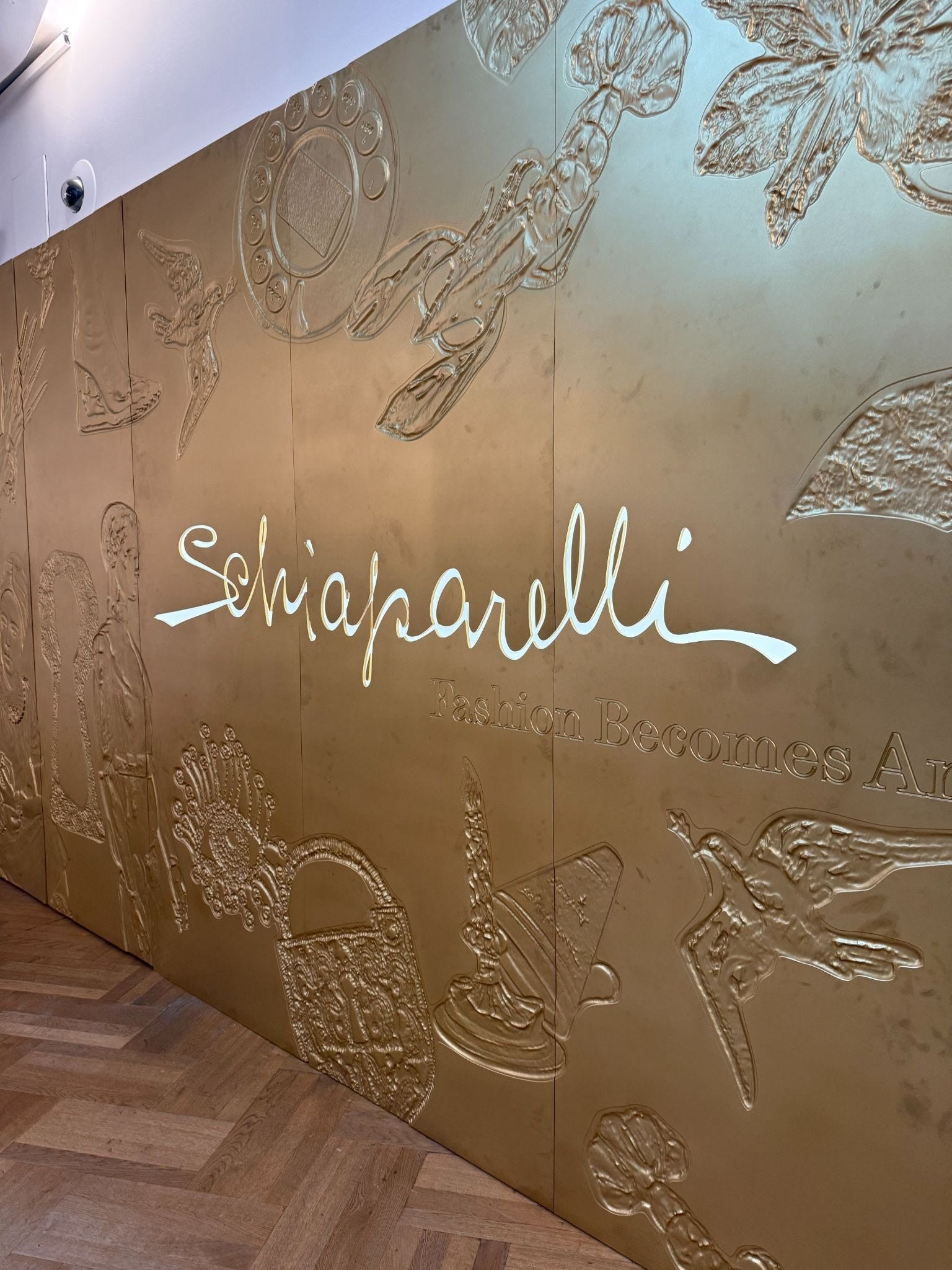
The Exhibit Intro: Fashion Becomes Art
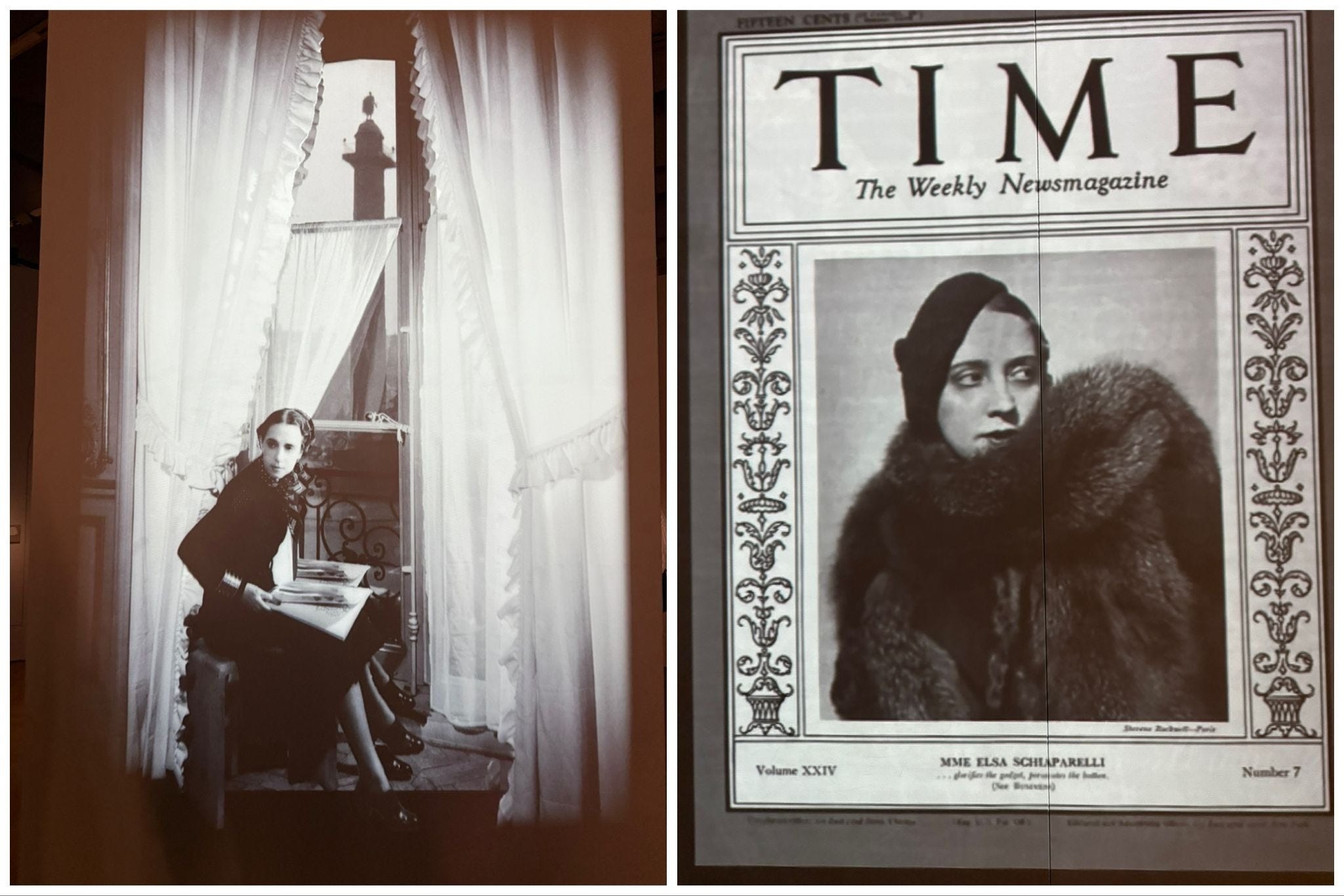
Elsa Schiaparelli (1890- 1973) redefined fashionable taste and perceptions of beauty in the 20th century.
Born in Rome into a family of academics and aristocrats, she fled their conservative expectations, leaving Italy at the age of 23 to live a life that was anything but conventional.
This was in 1913…YOU GO GIRL!!!!
With no formal training, she launched her first fashion collection in 1927. Her bold, often audacious, haute couture creations soon made her the designer of choice for a confident clientele.
Within five years, Maison Schiaparelli employed 400 staff who created over 7,000 couture garments a year.
No training. Bold. Job creator!
Often designing to confront and shock, Schiaparelli’s radical approach embraced the new and experimental, resulting in clothes that were resolutely modern.
At the same time, her impact extended beyond fashion. Embedded within Europe’s creative avant-garde, she positioned her work in direct dialogue with art, design, and performance.
Start Safe: Use the Familiar to Make Big Change
What first struck me, knowing how sort of radical and expressionist Schiaparelli would become, is that she started with SPORT.
In her first few years, she made ‘for sport and leisure’ activities: knitted sweaters, simple tops, skirts, swimsuits (“bathing costumes”), beachwear, and ski attire.
These early collections reflected new ideas about modern living, exercising and outdoor pursuits.
Practical, easy to wear, and undeniably stylish.
What this really did was lay the foundation for Schiaparelli to create social movement for women through dress, using the safe and “acceptable” path of sport and leisure.
From there, she moves into creating the modern wardrobe, “soon becoming the source of haute couture for the modern urban woman.” This is how she was able to push trousers for women into the modern norm, which had previously been considered only “acceptable” for sport or indoor housework (in private).
This reminded me of how Ruth Bader Ginsburg advanced larger agendas through smaller, more carefully chosen cases. Both Schiaparelli and RBG understood that the greatest steps forward also require small, measured steps. While the change that arises from this may not be immediate or considerably drastic, it is the breaking of the familiar that will rewrite the script.
Practical, With Purpose
While Schiaparelli was designing for the ‘fashionably adventurous,’ she also designed with enormous practicality and purpose.
“Pour la Ville,” for stylish, yet practical daywear.
“Pour le Soir” for evening.
Her pieces are so chic and timeless that I would have walked out with any one of them today and still look current.
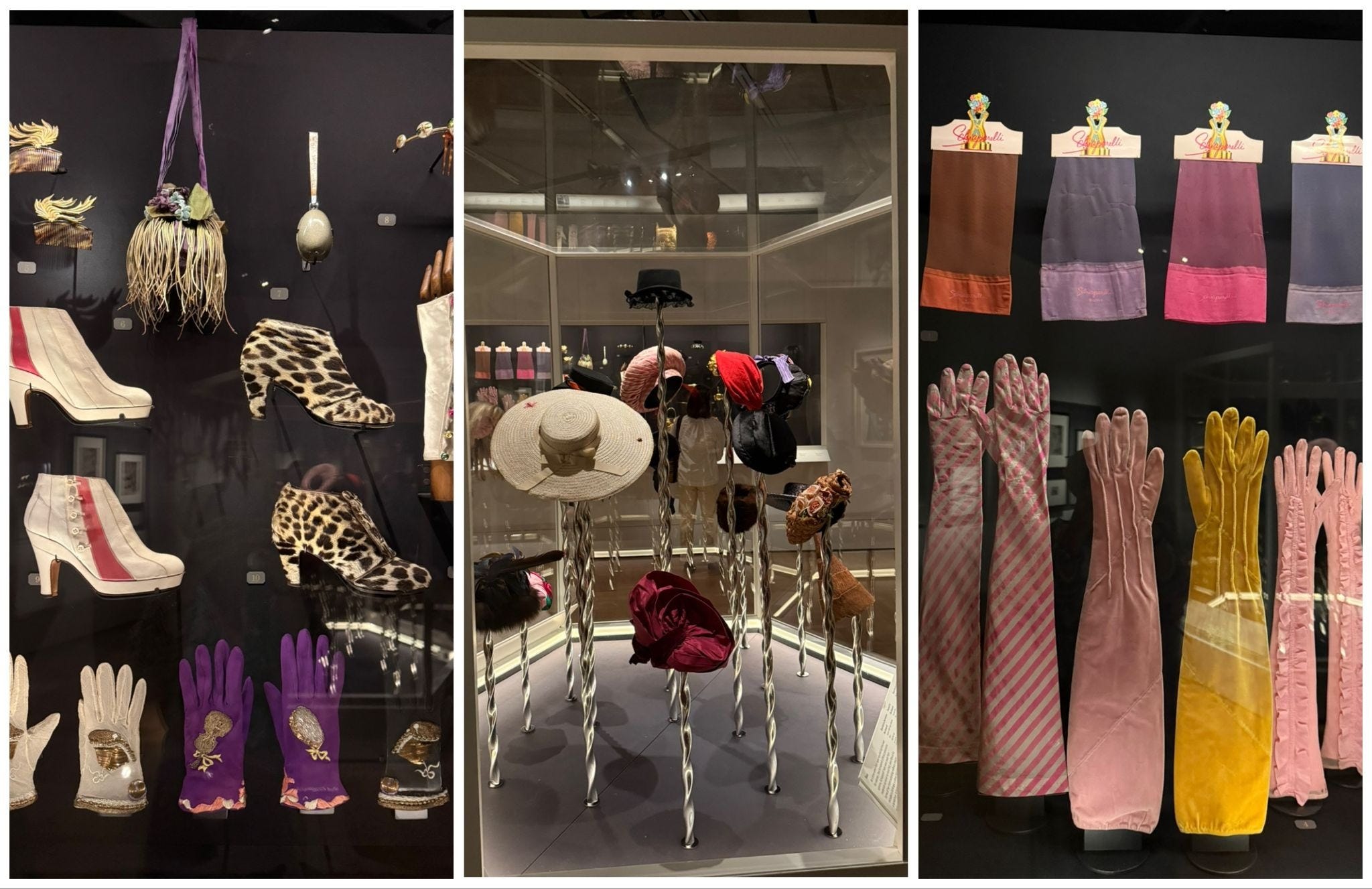
Elegant jackets were her signature, followed by her then witty, playful, collaborative accessories.
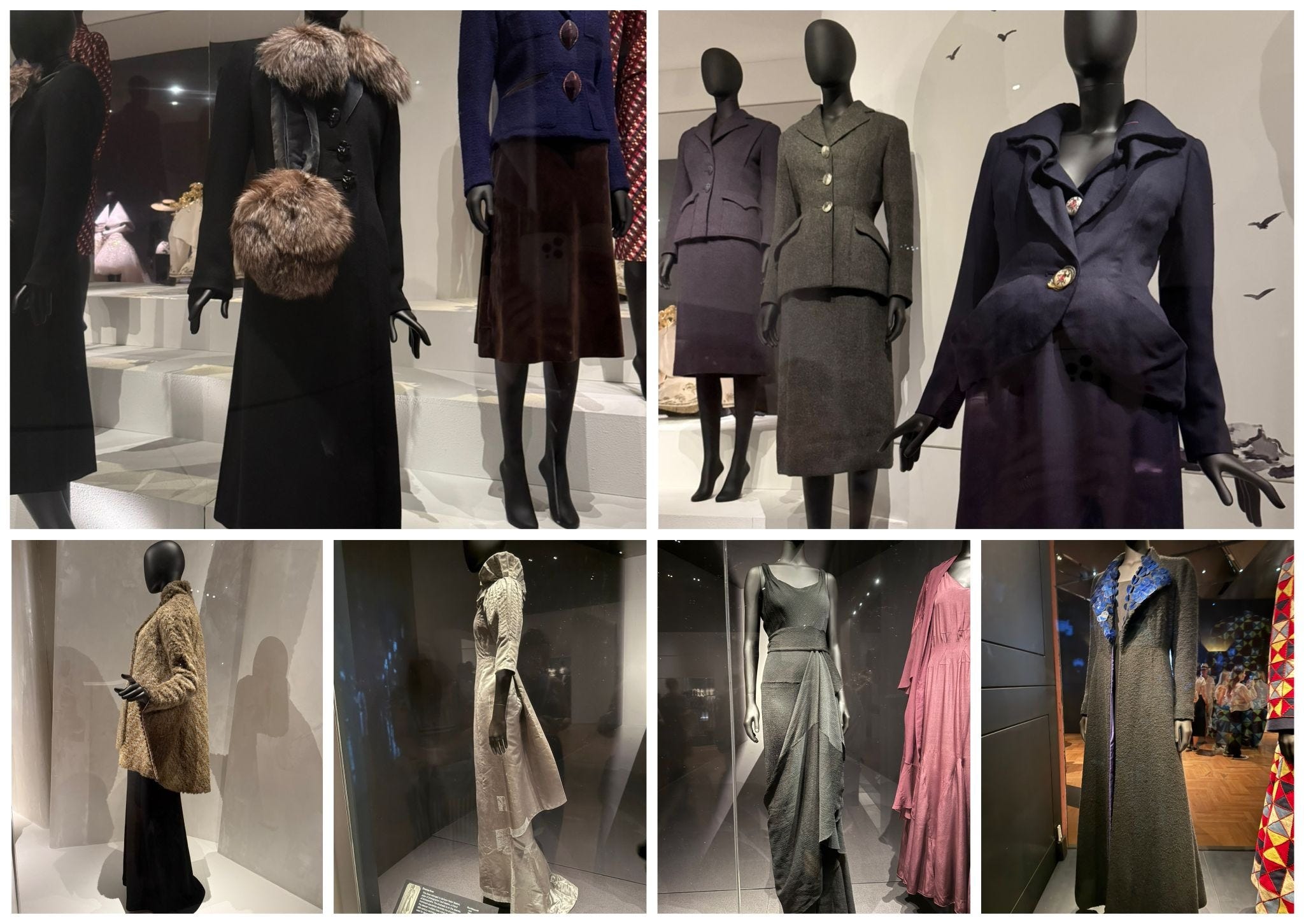
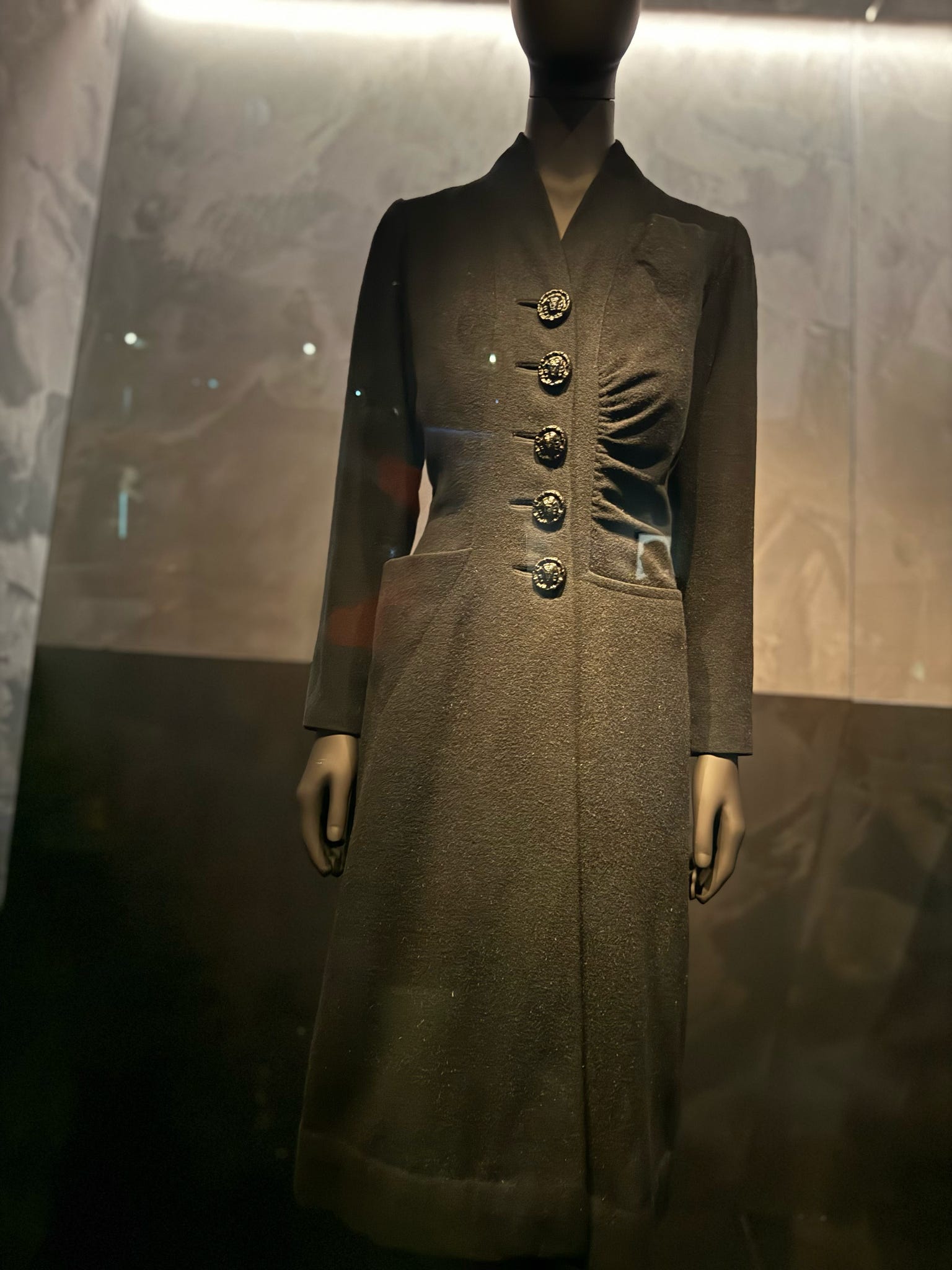
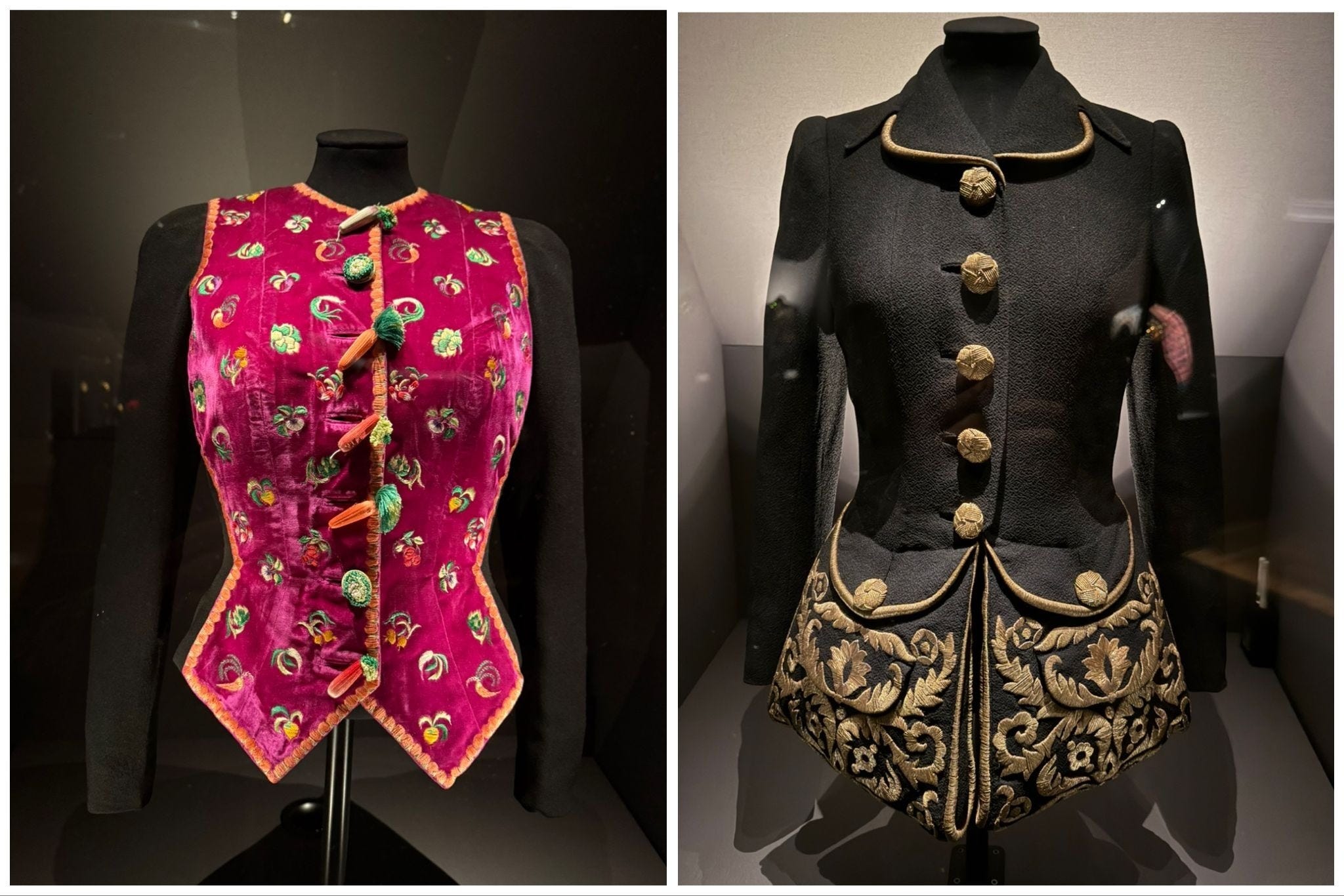
She truly created elegance with simplicity- just a small detail made a huge difference- the button, the placement of pockets, the fabric.
In 1936 she told the New York Times the crucial components of modern daywear were:
“one fur coat, one tweed suit, a dark tailored suit, a silk dress for afternoon wear.”
A very short time after World War II began, she designed a small collection very focused on pockets, made practical for ‘cash and carry’ war time living.
PRACTICAL!
Demand the Best of Others
She pushed her suppliers, vendors and makers to bring her the best, the newest, and encouraged them to try new things!
The confidence and curiosity to experiment and innovate.
This is truly an art form.
Make a Memorable Statement
One of her leading principles was to design in a way that “made people look twice.”
Her clients loved being seen and adored the attention from her amazing creations.
Creative Collaboration
Working with artists gave her “a sense of exhilaration.”
She worked at the center of a constellation of painters, sculptors, photographers, writers, and artisans.
Among her collaborators: Jean Cocteau, Alberto Giacometti, Man Ray, Irving Penn, Horst P. Horst, Picasso, and of course Salvador Dali.
She found affinity with the surrealists who embraced the absurd, erotic, and subversive.
While I have much respect for Mlle. Coco Chanel, she was not generous in spirit. She held contempt for her rivals (i.e. all the other designers, especially women).
Her slight about Elsa was: “The artist who designs clothes.”
Which frankly, I would have taken as a compliment.
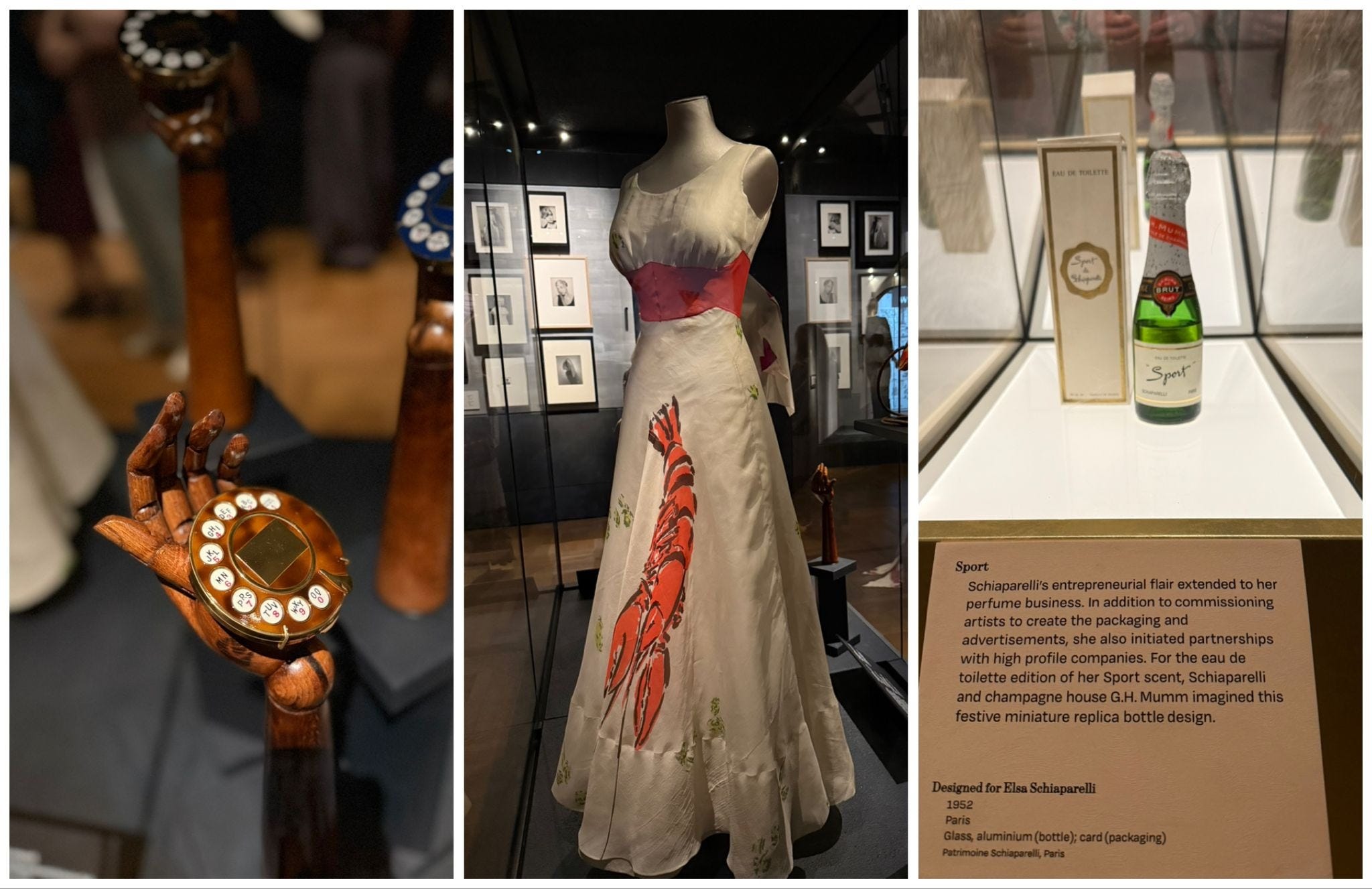
Work with Joy
There was no exact quote or statement stating this, but I could feel it throughout her work: her subversiveness, her joy for accessories as thoughtful details, Shocking Pink, colorful hosiery, and playful artistic (and statement) expressions in her window displays.
She also loved playing with the media.
There is no doubt she loved her medium and she was the pioneer for co-collaboration.
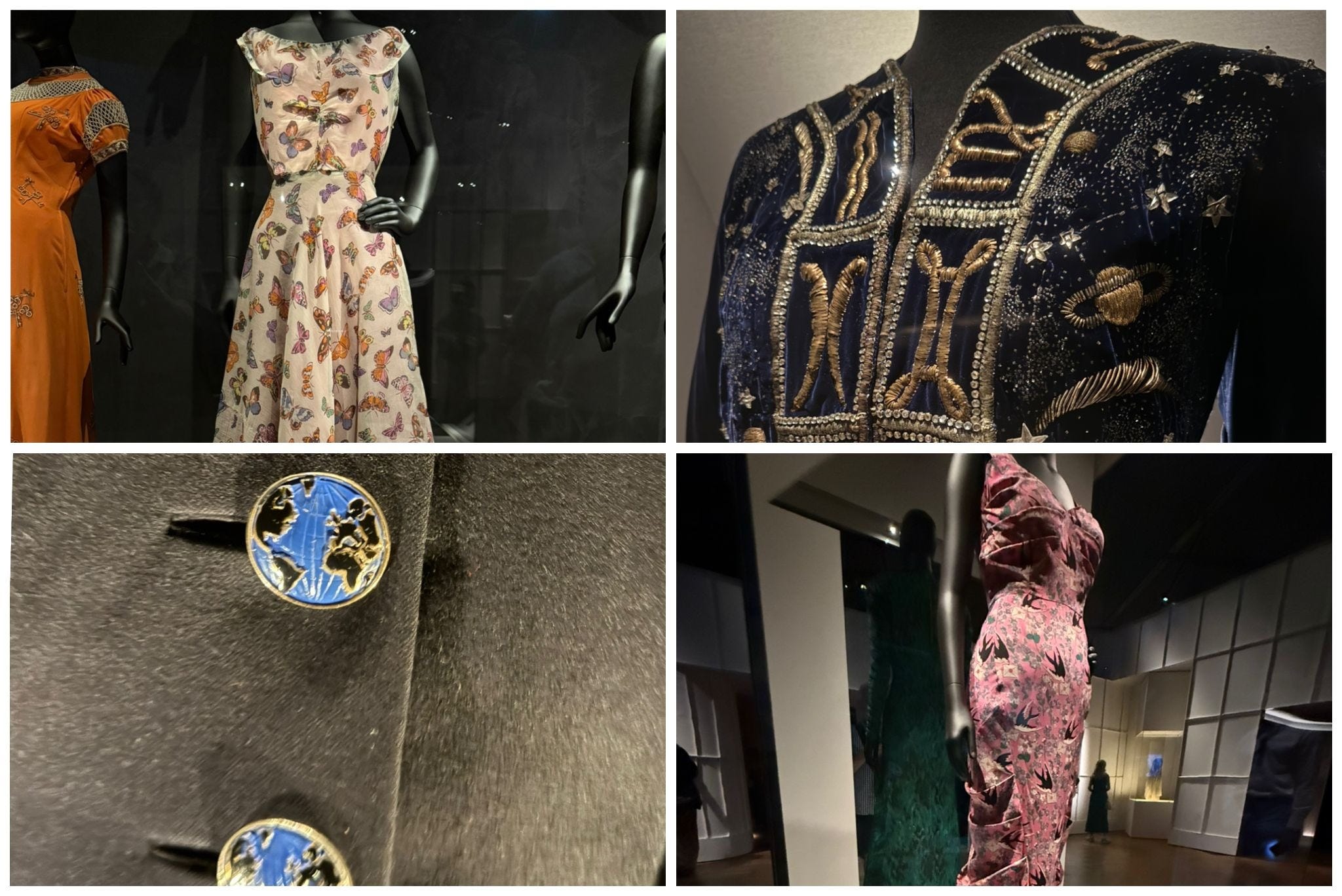
Spirituality and Communicating through Symbolism
Elsa certainly wasn’t the only designer who connected to spirituality, astrology, or symbolism (Coco did too), but I was moved by the messaging.
Seeing and learning war history through fashion is always fascinating – and more emotionally resonant – as I get older.
I loved the simple yet powerful connections she made: Butterflies for metamorphosis, swallows in flight for hope and renewal. Even a jacket with vegetable buttons supporting the French wartime effort during occupation to help encourage homegrown fresh produce in her last collection before fleeing to the U.S. in 1941.
Retiring Without Selling Her Name
Elsa Schiaparelli closed her business and retired in 1954.
While there were no further details provided, my top line observation was this: she was 64 and had run her thriving business for 27 years.
She was done.
She did it. Thrived. Loved it. Finished and closed her chapter with honor.
I assume most people would think: Why?
She left money on the table…why have we not had her name and interpretations floating around like Chanel, Dior, Yves Saint Laurent?
Not until 2006 was the name and archive acquired for the House’s revival.
However, I get it! This was her name, her art, her SOUL.
You might know the details of Chanel and her tragedy (unsuccessfully) trying to buy back her name. Or How many times Frédéric Fekkai has sold and bought back his name…and of course Bobbi…
I am very grateful I didn’t use my own name for my baby...
Ironically, the same afternoon I saw this exhibit, the new “Fashion Edit” of AirMail arrived in my inbox featuring the designer Mara Hoffman.
While I deeply resonated with a lot she said, it was this bold move that I found uncanny still deep in Elsa’s journey:
“In 2024, Hoffman announced that she and her team would begin shutting down the brand. It had become too overwhelming to responsibly operate without outside investment (something Hoffman never relied on) or taking out a loan. “I would rather walk out of this beautiful point of expression, owning my name and not being in debt,” she recalled thinking at the time.
When the brand closed that fall, Hoffman had settled all bills, paid her employees, and even retained some remaining funds for herself. “It was a really elegant exit, considering what usually goes down in this industry,” she said.”
An elegant exit indeed – for both Mara and Elsa!
Ok, I did a little digging (as just to not misinform), and it was quite clear Elsa’s retirement was nuanced.
She had to hand over her business (as an Italian citizen) during the war, to her right hand, which ultimately did not survive without her. She was keenly aware of the diminished interest in her avant-garde style, as post war ultra-feminine styles prevailed.
Instead of changing her art form, she gracefully wrapped things up, was ready to retire and to move on. She lived comfortably in Paris, and wrote her memoir, “Shocking Life.”
Note taken, Elsa!
Elsa’s Inspired Laundry List:
Small details make a big difference.
Progressive actions can be small.
Collaboration!
No formal training? No problem.
Surround yourself with creative people.
Make people look twice.
Demand (or at least encourage) the best from the people.
Practical prevails!
Have fun!
Accessorize with intention!
This was so well written. I love the images and your laundry list.
This is such a great recap- so sad I can’t make this show- but I can at least be inspired by your take aways!